Buy highendwindowtints.com ?
We are moving the project
highendwindowtints.com .
Are you interested in purchasing the domain
highendwindowtints.com ?
domain@kv-gmbh.de · 0541-91531010
Buy highendwindowtints.com ?
How can one plant a wall with shrubs to achieve privacy and protection from crossing?
To plant a wall with shrubs for privacy and protection from crossing, it's important to choose dense, evergreen shrubs that will provide year-round coverage. Plant the shrubs close together to create a thick barrier, and consider staggering the rows to create an even denser wall. Additionally, choose shrubs that have thorns or prickly foliage to act as a deterrent for potential intruders. Finally, regular pruning and maintenance will help the shrubs to grow into a dense, impenetrable wall over time. **
Which shrubs are poisonous?
Some common poisonous shrubs include oleander, rhododendron, and yew. These shrubs contain toxins that can be harmful if ingested, causing symptoms such as nausea, vomiting, and in severe cases, even death. It is important to be cautious when planting these shrubs, especially in areas where children or pets may come into contact with them. **


Similar search terms for Shrubs
Top-Angebote
Products related to Shrubs:
-
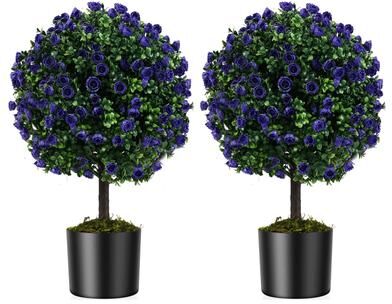
DEVERA 2-Pack 22in Boxwood Ball Shaped Artificial Topiary Shrubs TreesFeatures Features a lifelike boxwood-style design with rounded, glossy foliage for a lush and vibrant look. Crafted from premium grade plastic that is durable and suitable for both indoor and outdoor display.116,99 $*Shipping: 0,00 $Secure redirect to the provider
-
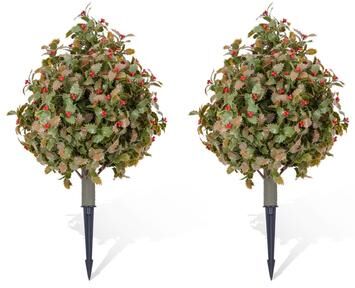
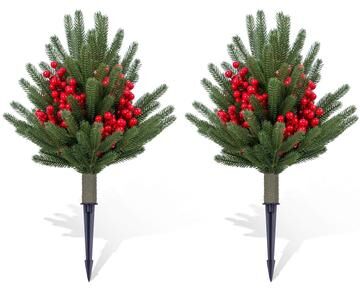
Garvee 2 Pack PE Artificial Topiary Shrubs with Ground Spikes for Autumn DecorHIGH QUALITY PE MATERIAL: Crafted from UV resistant PE, these artificial topiary shrubs maintain vibrant color and lifelike appearance even in direct sunlight, suitable for patios, balconies, and entryways.79,99 $*Shipping: 0,00 $Secure redirect to the provider


-
Which shrubs attract butterflies?
Some shrubs that attract butterflies include butterfly bush (Buddleja), lilac (Syringa), potentilla, and spirea. These shrubs produce nectar-rich flowers that are attractive to butterflies. **
-
Do dwarf shrubs form heartwood?
Yes, dwarf shrubs can form heartwood. Heartwood is the inner, older, and harder wood in the center of the trunk of a tree or shrub. As dwarf shrubs mature, they develop heartwood in the center of their trunks, just like larger trees. This heartwood provides structural support and strength to the shrub, helping it withstand environmental stresses and continue to grow and thrive. **
-
What are hardy tea shrubs?
Hardy tea shrubs are a type of tea plant that are able to withstand colder temperatures and harsher growing conditions. They are typically of the Camellia sinensis variety and are known for their ability to thrive in diverse climates, including mountainous regions and high altitudes. These tea shrubs are prized for their resilience and ability to produce high-quality tea leaves, making them a popular choice for tea cultivation in various parts of the world. **
-
Which shrubs are low maintenance?
Some low maintenance shrubs include boxwood, barberry, spirea, and potentilla. These shrubs are known for their hardiness, requiring minimal pruning and care. They are also resistant to pests and diseases, making them a great choice for low maintenance landscaping. Additionally, these shrubs come in a variety of sizes and colors, making them versatile for different garden designs. **
Which shrubs are good for insects?
Shrubs that are good for insects are typically native species that provide food and shelter for a variety of insect species. Some examples of shrubs that are beneficial for insects include butterfly bush, elderberry, and serviceberry. These shrubs offer nectar-rich flowers for pollinators, berries for birds and other wildlife, and foliage for caterpillars and other insects to feed on. Planting a variety of shrubs that bloom at different times throughout the year can help support a diverse insect population in your garden. **
Until when can you plant shrubs?
The best time to plant shrubs is typically in the early spring or fall. Planting in the spring allows the shrubs to establish their root systems before the heat of summer, while planting in the fall gives them time to settle in before winter. It is generally recommended to avoid planting shrubs during the hot summer months, as they may struggle to establish themselves in the heat. **
Top-Angebote
Products related to Shrubs:
-
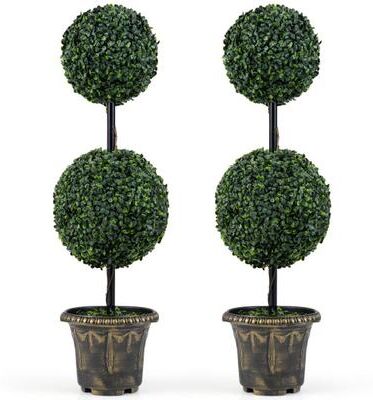
DEVERA 2-Pack 22in Boxwood Ball Shaped Artificial Topiary Shrubs TreesFeatures Features a lifelike boxwood-style design with rounded, glossy foliage for a lush and vibrant look. Crafted from premium grade plastic that is durable and suitable for both indoor and outdoor display.116,99 $*Shipping: 0,00 $Secure redirect to the provider
-
How can one plant a wall with shrubs to achieve privacy and protection from crossing?
To plant a wall with shrubs for privacy and protection from crossing, it's important to choose dense, evergreen shrubs that will provide year-round coverage. Plant the shrubs close together to create a thick barrier, and consider staggering the rows to create an even denser wall. Additionally, choose shrubs that have thorns or prickly foliage to act as a deterrent for potential intruders. Finally, regular pruning and maintenance will help the shrubs to grow into a dense, impenetrable wall over time. **
-
Which shrubs are poisonous?
Some common poisonous shrubs include oleander, rhododendron, and yew. These shrubs contain toxins that can be harmful if ingested, causing symptoms such as nausea, vomiting, and in severe cases, even death. It is important to be cautious when planting these shrubs, especially in areas where children or pets may come into contact with them. **
-
Which shrubs attract butterflies?
Some shrubs that attract butterflies include butterfly bush (Buddleja), lilac (Syringa), potentilla, and spirea. These shrubs produce nectar-rich flowers that are attractive to butterflies. **
-
Do dwarf shrubs form heartwood?
Yes, dwarf shrubs can form heartwood. Heartwood is the inner, older, and harder wood in the center of the trunk of a tree or shrub. As dwarf shrubs mature, they develop heartwood in the center of their trunks, just like larger trees. This heartwood provides structural support and strength to the shrub, helping it withstand environmental stresses and continue to grow and thrive. **
Similar search terms for Shrubs
-
Garvee 2 Pack PE Artificial Topiary Shrubs with Ground Spikes for Autumn DecorHIGH QUALITY PE MATERIAL: Crafted from UV resistant PE, these artificial topiary shrubs maintain vibrant color and lifelike appearance even in direct sunlight, suitable for patios, balconies, and entryways.79,99 $*Shipping: 0,00 $Secure redirect to the provider
-
Garvee 2 Pack PE Artificial Topiary Shrubs with Ground Spikes for Autumn DecorHIGH QUALITY PE MATERIAL: Crafted from UV resistant PE, these artificial topiary shrubs maintain vibrant color and lifelike appearance even in direct sunlight, suitable for patios, balconies, and entryways.72,49 $*Shipping: 0,00 $Secure redirect to the provider
-
What are hardy tea shrubs?
Hardy tea shrubs are a type of tea plant that are able to withstand colder temperatures and harsher growing conditions. They are typically of the Camellia sinensis variety and are known for their ability to thrive in diverse climates, including mountainous regions and high altitudes. These tea shrubs are prized for their resilience and ability to produce high-quality tea leaves, making them a popular choice for tea cultivation in various parts of the world. **
-
Which shrubs are low maintenance?
Some low maintenance shrubs include boxwood, barberry, spirea, and potentilla. These shrubs are known for their hardiness, requiring minimal pruning and care. They are also resistant to pests and diseases, making them a great choice for low maintenance landscaping. Additionally, these shrubs come in a variety of sizes and colors, making them versatile for different garden designs. **
-
Which shrubs are good for insects?
Shrubs that are good for insects are typically native species that provide food and shelter for a variety of insect species. Some examples of shrubs that are beneficial for insects include butterfly bush, elderberry, and serviceberry. These shrubs offer nectar-rich flowers for pollinators, berries for birds and other wildlife, and foliage for caterpillars and other insects to feed on. Planting a variety of shrubs that bloom at different times throughout the year can help support a diverse insect population in your garden. **
-
Until when can you plant shrubs?
The best time to plant shrubs is typically in the early spring or fall. Planting in the spring allows the shrubs to establish their root systems before the heat of summer, while planting in the fall gives them time to settle in before winter. It is generally recommended to avoid planting shrubs during the hot summer months, as they may struggle to establish themselves in the heat. **
* All prices are inclusive of VAT and, if applicable, plus shipping costs. The offer information is based on the details provided by the respective shop and is updated through automated processes. Real-time updates do not occur, so deviations can occur in individual cases. ** Note: Parts of this content were created by AI.